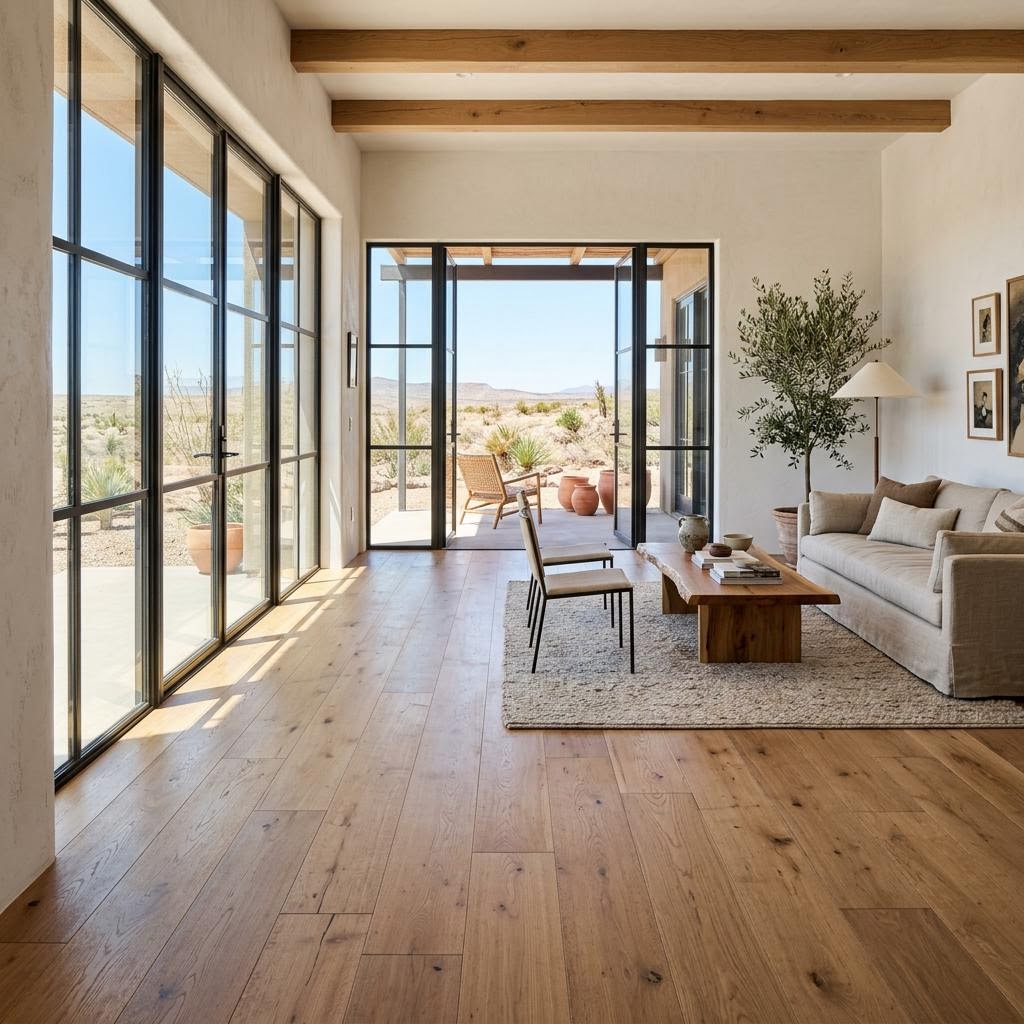
Does your association require approval for a flooring change? Check its actual rules, especially for shared buildings and sound ratings, before ordering material or setting an installation date.
HOA approval is significantly more manageable when you understand board expectations before finalizing your flooring selection.
Common HOA Flooring Review Criteria
Understanding what your community board prioritizes helps streamline the process. Boards generally aim to preserve property values, minimize neighbor disputes, and enforce uniform building standards.
For flooring changes, that usually means the board wants clarity on a few practical points:
- What material is being installed — carpet, tile, engineered wood, laminate, luxury vinyl plank, or another option.
- Where it will be installed — a downstairs living area, stairs, bedrooms, a condo upper level, or a second-story room.
- Whether sound transfer could become a problem — especially in attached homes, townhomes, or multi-level properties.
- Whether the project changes the home's appearance or value — less common for interior floors, but still part of some review processes.
- Who is doing the installation — some communities prefer or require licensed and insured professionals.
Single-family homeowners in West Texas are sometimes surprised to learn that interior flooring still may require approval, especially if governing documents mention architectural changes, hard-surface flooring, or nuisance prevention. In condo-style or townhome communities, boards tend to be even more specific. They may ask for product specs, underlayment details, and proof that the new floor will not create excess noise for neighbors below or next door.
This is why it helps to decide on flooring with more than color and price in mind. A beautiful product that creates approval headaches is rarely the best product for your home. At The Design Gallery, we often guide homeowners through hardwood and LVP flooring options by starting with the rules first, then narrowing to what fits the home, the lifestyle, and the HOA.
Which flooring materials are most likely to need board approval
Not every floor replacement triggers the same level of HOA scrutiny. In general, the more a flooring change could affect sound, structural load, installation height, or neighboring units, the more likely the board is to want documentation.
Hard-surface floors are the most common category that raises questions. That includes tile, engineered wood, laminate, and luxury vinyl. Why? Because replacing soft flooring with a harder surface can change acoustics dramatically. A quiet upstairs bedroom with carpet can become a source of footsteps, furniture noise, and echo once a hard surface goes in.
Tile often draws extra review because it is durable and attractive, but it is also one of the loudest surfaces underfoot if the assembly below it is not planned correctly. In some Odessa and Midland communities, tile installations on upper levels or in attached homes may require approval with underlayment details.
Engineered wood and laminate may also need review, particularly if the HOA has sound-control standards or restrictions on floating floors. Boards may ask whether the installation is glued, nailed, or floated and what underlayment is being used.
Luxury vinyl plank is popular across West Texas because it handles busy households, pets, and day-to-day wear well. But HOA boards still may ask for product specifications, especially if the installation is in an upper-level room or attached residence. The good news is that many modern LVP systems offer excellent design flexibility and can be paired with sound-conscious underlayment when needed.
Carpet replacements often face the least resistance, especially if you're replacing carpet with carpet in the same area. Even then, some associations still require a basic notice or application.
The safest approach is to consult your governing documents before ordering any materials. Clarifying whether approval is required for your specific home type or room location can save weeks of frustration.
How to make the approval process smoother from the start
Most HOA flooring problems do not happen because homeowners are careless. They happen because the process feels vague. The board says, “Submit details,” but no one explains what details matter. Then the homeowner turns in incomplete information, the application gets delayed, and the project timeline slips.
A smoother process usually looks like this:
- Review your HOA documents for terms like architectural review, hard-surface flooring, noise control, flooring replacement, or alteration approval.
- Confirm whether the room location matters, especially for second-story spaces, condos, townhomes, and shared-wall properties.
- Select a product with specs available, including manufacturer information, installation method, and underlayment details if needed.
- Ask what the board requires in writing — product sample, cut sheet, contractor information, proof of insurance, timeline, or acoustic rating.
- Submit a complete package once instead of piecing it together over time.
This is where having a local showroom partner helps. Instead of trying to explain a product from a screenshot or a big-box label, you can provide actual manufacturer documentation and installation information. That gives HOA boards something concrete to review.
At The Design Gallery, we help homeowners compare materials not just by look, but by installation realities. For some homes, tile and stone flooring may be worth the extra approval effort because of long-term durability. For others, water-resistant luxury vinyl flooring may offer the right balance of style, performance, and easier compliance. And when a flooring project is part of a bigger update, we can also help homeowners coordinate surrounding finishes like flooring for kitchen and whole-home remodels so the result feels intentional instead of patched together.
In Odessa, Midland, and across the Permian Basin, many HOA boards are far more responsive when the homeowner submits a clear, organized packet rather than a vague request. Good documentation reduces questions, and fewer questions usually means faster approval.
Professional Guidance for Flooring Projects
The right partner simplifies the approval process by helping you select materials that align with community standards and by providing the necessary manufacturer specifications for your board submission.
That support matters because every flooring decision affects another one. The plank or tile you love may require a specific underlayment. That underlayment may affect floor height. Floor height may affect transitions at nearby rooms. And all of it should still suit the way your household lives day to day.
Our job is to help you think through the project before it becomes expensive to change course. That can include:
- Helping identify which flooring categories are more likely to raise HOA questions
- Providing product specifications and manufacturer details for submission
- Guiding material selection based on traffic, pets, maintenance, and layout
- Coordinating flooring choices with adjacent updates so your home feels cohesive
- Helping homeowners in Odessa and Midland feel more confident before installation begins
We also understand something out-of-town retailers often miss: West Texas homes live differently. Dust, heat, busy family schedules, and a strong preference for practical beauty all shape what works best here. Flooring has to perform, not just photograph well. That's one reason so many Permian Basin homeowners prefer seeing options in person and talking through the details with someone who understands local expectations.
Whether you're replacing old carpet, upgrading builder-grade surfaces, or planning a broader remodel that may include new floors throughout the home, getting guidance early can help you avoid approval surprises and choose with confidence.
Ready to Love Your Home Again?
If you are planning a flooring update and need help preparing for HOA review, contact us to explore your options and gather the required documentation. Schedule your design consultation or reach out to our team to begin.