
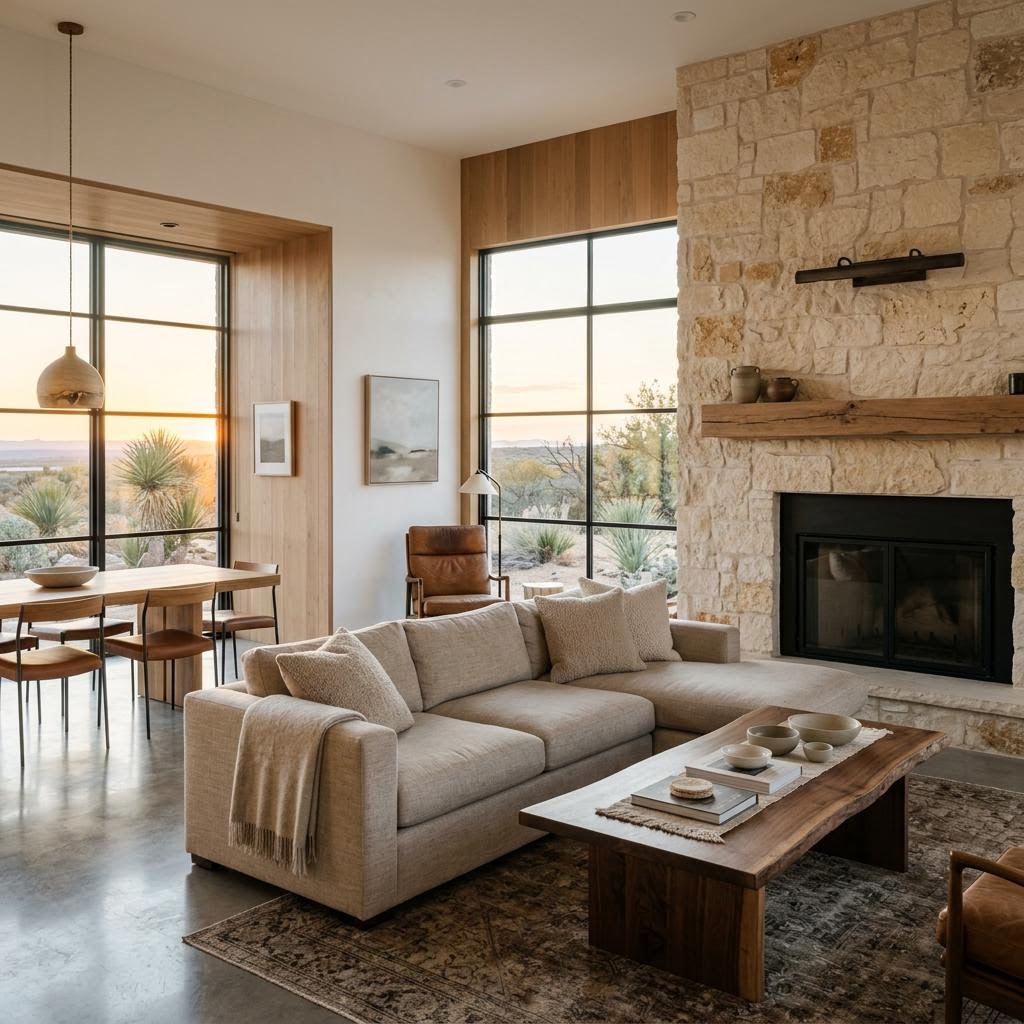
Dark Cabinets, Wrong Floor? Fix It First
If you're like most Odessa homeowners considering dark cabinets in your kitchen or living space, you're probably wondering whether the wrong wood tone could make the room feel smaller, heavier, or harder to update later. That uncertainty causes a lot of people to delay decisions, second-guess samples, or settle for a safe option they do not truly love. And when cabinets and floors fight each other, the entire room can feel darker, more dated, and more expensive to fix after installation.
Here's what decades of helping West Texas homeowners has taught us: the best cabinet-and-floor combination is not about copying trends, but about balancing light, undertone, and the way your home actually lives.
Since 1988, Permian Basin homeowners have trusted The Design Gallery because we help them compare materials in person, under real lighting, with expert guidance that turns overwhelming choices into confident decisions.
Start with undertones, not just light vs. dark
When homeowners in Midland and Odessa talk about a dark cabinets hardwood floor pairing Odessa TX project, they often begin by asking one question: should the floor contrast or match? That seems logical, but it is not the first question that matters most. The first thing to look at is undertone.
Dark cabinets can lean espresso, coffee, charcoal, walnut, or even near-black. Hardwood can read golden, honey, taupe, red, gray-brown, or neutral. Two finishes may both seem “warm” or both seem “dark,” but if one has a red cast and the other has a cooler gray-brown base, they can clash in a way that feels subtly off every single day.
In our showroom, we often lay cabinet samples beside engineered and hardwood flooring options so homeowners can see the difference immediately. A deep brown cabinet with a neutral white oak floor usually feels clean and current. The same cabinet beside an orange-toned floor can look dated fast. A rich charcoal cabinet paired with a floor that has too much gray can feel cold unless the room gets strong natural light.
Here is a practical rule of thumb:
- Warm dark cabinets pair best with floors that are either softly warm or neutral.
- Cool dark cabinets need floors that prevent the room from feeling flat or sterile.
- Red-heavy floors are usually the hardest match with modern dark cabinetry.
For many West Texas homes, especially open-concept spaces, a medium natural oak tone creates the safest and most flexible bridge between dark cabinets and the rest of the house. It gives you contrast without making the room look chopped up.
When contrast works better than matching tones
Most of the time, contrast is the smarter choice. Not dramatic contrast for the sake of drama, but enough separation that your cabinets and floors each have room to be seen. If dark cabinets sit on a floor that is too similar in depth, the room can feel bottom-heavy. Instead of looking intentional, everything blends into one dark mass.
This is especially important in Odessa and Midland homes where ceiling height, window placement, and wall color can vary a lot. In a kitchen with limited natural light, dark cabinetry already absorbs more light. Pairing it with very dark flooring can make the room feel closed in, even if the square footage is generous.
A better approach is often to use dark cabinets as the visual anchor and let the floor bring openness. That is why so many successful pairings we show in the showroom include hardwood and LVP flooring in light-to-medium natural tones. The floor lifts the room, while the cabinetry adds depth and sophistication.
Contrast tends to work best when:
- The cabinets are espresso, deep walnut, or black-brown
- The room needs to feel larger or brighter
- You have light countertops, backsplash, or wall paint
- You want a more timeless look with easier resale appeal
Matching tones can still work, but only when the materials are clearly coordinated. For example, dark walnut cabinets with a lighter walnut floor in the same family can feel layered and elegant. But if the floor and cabinets are almost the same value without being an exact match, the result often looks accidental. That is where homeowners get frustrated.