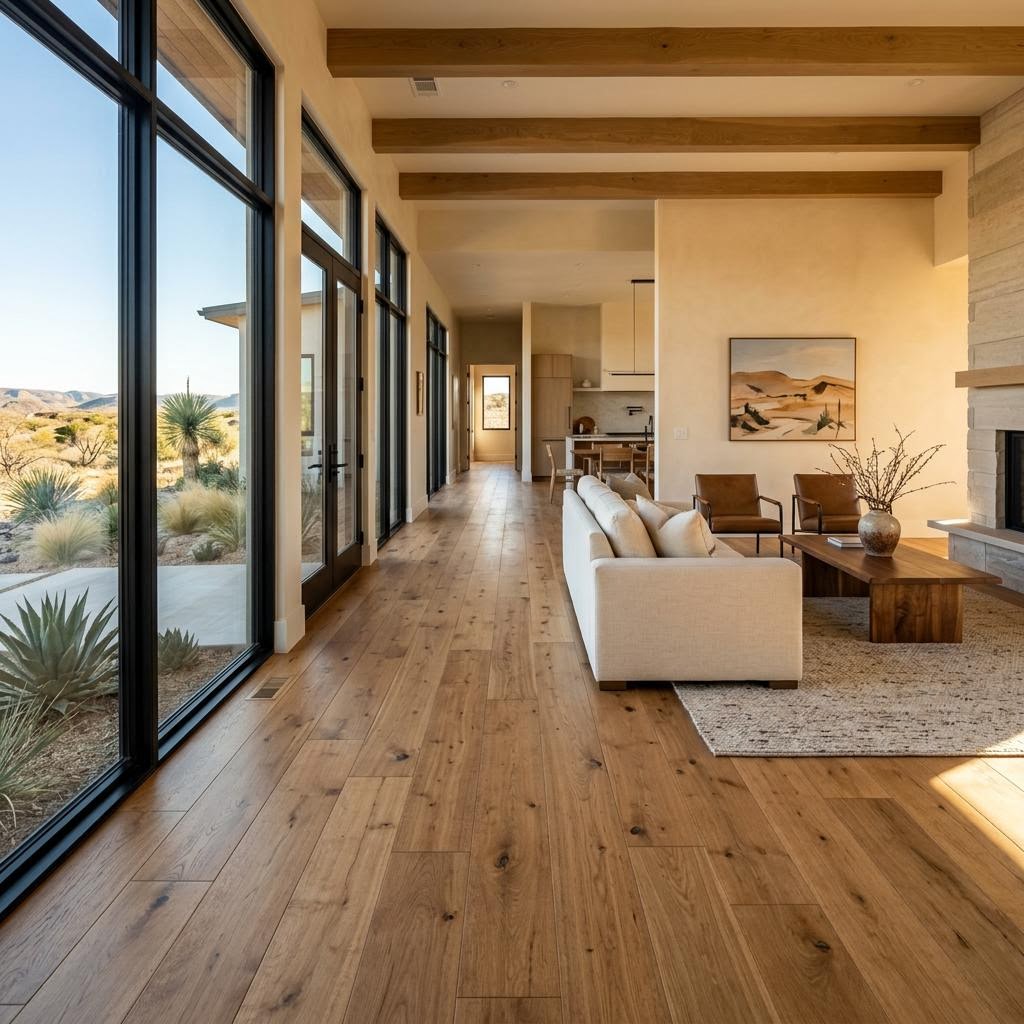
A large dog, an older pet, and an active kitten can be hard on flooring in different ways. Match the material to scratches, traction, accidents, and cleaning rather than expecting one pet-proof product to solve everything.
The best flooring for pets is the option that aligns with your specific animals, household routines, and daily traffic patterns.
How to compare pet-friendly flooring the right way
Effective flooring comparisons should look beyond color and price. The most practical way to assess options is by evaluating four key performance areas: scratch resistance, ease of cleaning after accidents, odor retention, and long-term durability.
Here’s the simple ranking many West Texas families find helpful:
- Luxury vinyl plank (LVP) — best overall balance for most pet households
- Tile — strongest for moisture and scratches, but not always the most comfortable
- Hardwood — beautiful, but higher maintenance with pets
- Carpet — soft and cozy, but usually the hardest to keep fresh with animals
Each flooring category involves specific tradeoffs. Exploring various flooring options for your home is a helpful starting point before focusing on which material works best for your specific pets.
For many households, luxury vinyl plank flooring is a top choice because it effectively manages claws, moisture, and daily wear. It generally provides strong scratch resistance, straightforward cleaning, and minimal odor retention. For homes with large dogs or high traffic, this material often mimics the look of wood while requiring less specialized maintenance.
Tile also performs extremely well, especially in homes where accidents or water bowls are a frequent concern. It is one of the best surfaces for easy cleanup and low odor retention. The tradeoff is that tile can feel hard underfoot, colder in winter, and less forgiving for older pets who struggle with traction.
LVP vs hardwood: where most pet owners get stuck
Many homeowners prefer the aesthetic warmth of hardwood, but they must weigh this against their tolerance for ongoing maintenance. The primary consideration is how the finish holds up to the reality of pets moving through the house.
LVP typically outperforms hardwood regarding scratch resistance. Even high-quality hardwood is susceptible to wear from long nails, consistent traffic patterns near entryways, or high-energy activity.
Accident cleanup is a significant factor. LVP is generally forgiving when spills or accidents occur and are addressed promptly. Hardwood is vulnerable to moisture penetrating the seams or finish, which can lead to staining, cupping, or persistent odors.
Odor retention also tends to favor LVP. Hardwood itself doesn’t trap odor the way soft surfaces can, but if moisture penetrates cracks, joints, or damaged finish, smells can linger below the surface. That can be frustrating because the floor may look fine at first while still holding odor over time.
Durability depends partly on the product, finish, and the size of your pets. Hardwood can absolutely last for years, but in many West Texas homes with multiple pets, it asks more from the homeowner. You’ll likely need to stay on top of nail trimming, rugs in high-impact zones, and quick cleanup every time.
If your priority is classic natural beauty and you’re comfortable with extra maintenance, hardwood may still be worth considering. But if your goal is lower stress with a similar visual style, LVP is usually the more practical choice.
Tile vs carpet: the comfort-versus-cleanup decision
Tile and carpet sit on opposite ends of the pet-friendly spectrum. One is easy to sanitize. The other is soft and quiet. For many Permian Basin families, choosing between them comes down to which daily frustrations matter most.
Tile ranks near the top for scratch resistance, accident cleanup, and odor control. Claws typically do very little to quality tile, and surface messes are usually easy to wipe up. That makes tile especially attractive in entries, mudrooms, kitchens, utility areas, and homes with puppies or senior pets.
Still, tile isn’t perfect. Pets can slip on certain finishes, grout lines need maintenance, and the surface can feel hard for both people and animals. In Odessa and Midland homes where comfort is a top concern, some homeowners choose tile in wet or high-traffic zones and a different material elsewhere.
If you prefer carpet in certain rooms, product selection is essential. Some fibers are easier to clean than others, and specific patterns can help mask signs of wear. For softer spaces, it is helpful to compare carpet flooring options while maintaining realistic expectations regarding maintenance requirements for pets that shed or have accidents.
If you do prefer carpet in some rooms, product selection matters a lot. Some fibers clean better than others, and pattern or color can help disguise everyday pet traffic. For softer spaces, it helps to compare carpet flooring options with realistic expectations about maintenance, especially in homes with young pets or frequent shedding.
Best flooring choice by pet type and household routine
The best choosing pet-friendly flooring homeowners can use is one that considers the type of pets in the home, not just the floor itself.
- Large dogs: LVP and tile are usually the safest choices because they handle repeated traffic, muddy paws, and nail wear better than hardwood or carpet.
- Cats: LVP, tile, and even some hardwood can work well, but litter box areas benefit from surfaces that resist moisture and clean easily.
- Puppies or senior pets: Accident cleanup becomes critical, which usually pushes LVP and tile to the top.
- Multiple pets: Durability and odor control matter more over time, making resilient surfaces the better long-term investment.
Your routine matters too. If someone is almost always home and accidents are cleaned immediately, you may have more flexibility. If your family is constantly on the go, low-maintenance performance becomes much more valuable. That’s why many West Texas homeowners end up choosing a mix: resilient flooring in main areas and softer materials only where pet exposure is limited.
It also helps to think about local conditions. In West Texas, dust, dirt, and outdoor debris can get tracked in quickly, especially with active dogs. Flooring that looks great on day one but shows every paw print by day three may not be the right fit for your lifestyle.
Ready to Love Your Home Again?
If you are weighing the pros and cons of LVP, hardwood, tile, and carpet, The Design Gallery provides guidance tailored to your specific household needs, traffic levels, and goals. Schedule a design session or visit the showroom to explore your options. Schedule Your Design Session →