

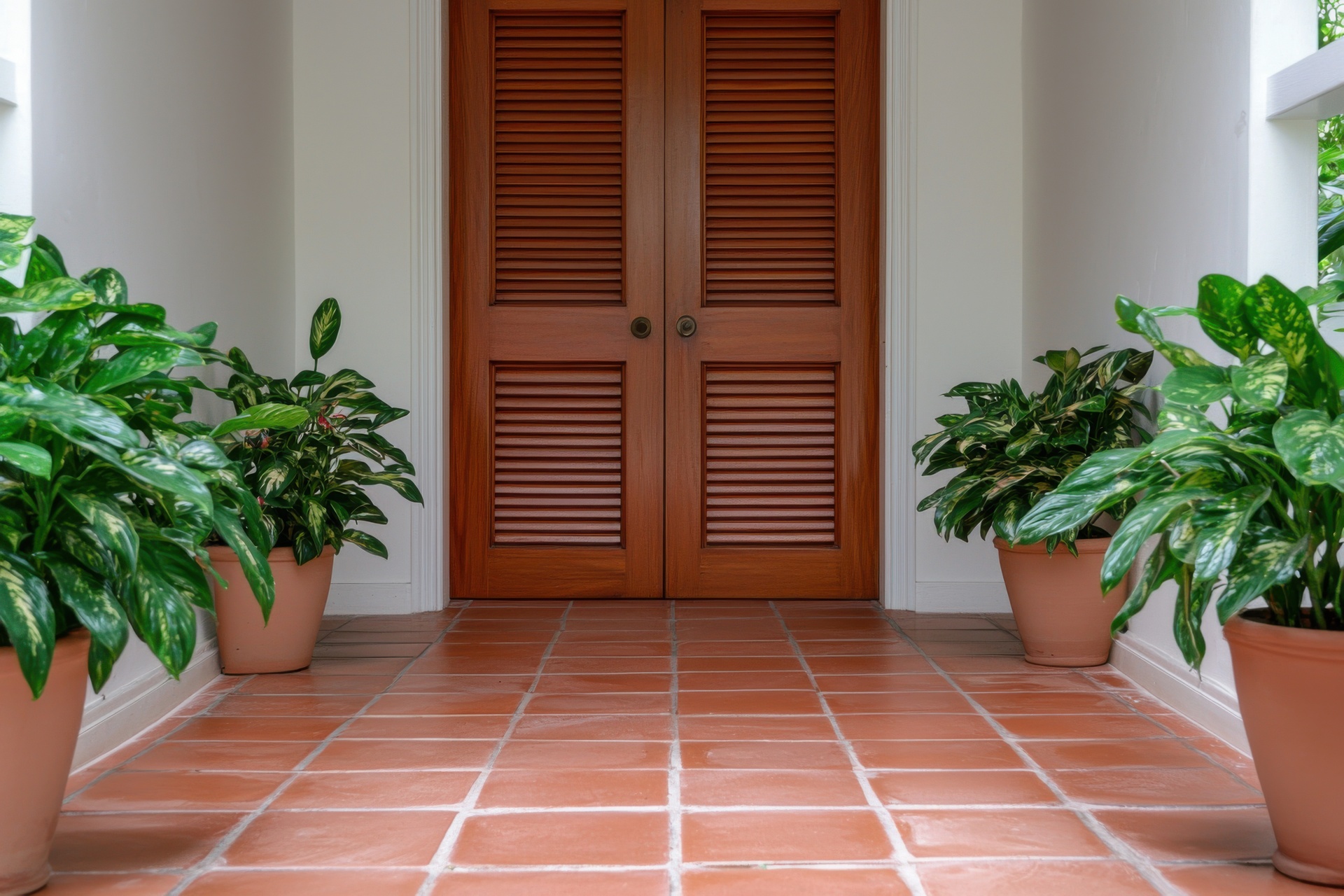
Tile flooring is a timeless choice for both homes and businesses, offering durability, style, and easy maintenance. Yet, one aspect that often gets overlooked is the grout—the material filling the gaps between tiles. While tiles create the design foundation, grout determines how well that flooring performs over time. From protecting tiles against moisture to enhancing their appearance, the right grout can make all the difference.
Why should grout be more than an afterthought?
Before comparing options, it’s important to understand why grout matters. Grout isn’t just filler—it strengthens the bond between tiles, prevents edges from chipping, and guards against water infiltration. It also plays a key role in design, offering contrast or seamless blending depending on the color and type chosen.
Cement-based grout: the traditional choice
Cement grout remains one of the most common options, valued for its affordability and availability. It comes in two forms:
Sanded grout: Contains fine sand particles, making it ideal for wider joints (⅛ inch or more). Its strength helps prevent cracking, which is especially useful in areas with heavy foot traffic.
Unsanded grout: Smooth in texture and better suited for narrow joints under ⅛ inch. It’s a preferred option for vertical surfaces like bathroom walls where sand could scratch delicate tiles.
Best use cases: Living rooms, hallways, and general residential projects where ease of application and cost-effectiveness are important.
Epoxy grout: modern durability
Epoxy grout has become the go-to choice for areas that demand strength and resistance. Unlike cement grout, it’s made of resins and hardeners, giving it:
High resistance to water, stains, and chemicals
Minimal risk of cracking or shrinking
Easy cleaning and long-lasting performance
It’s often used in kitchens, bathrooms, and commercial spaces where spills, moisture, or heavy use are constant concerns. While epoxy grout is pricier and requires professional installation due to its fast-setting nature, its performance benefits often outweigh the cost.
Best use cases: Kitchens, showers, and high-traffic commercial flooring.
Urethane grout: flexibility and convenience
Urethane grout is a newer option that combines durability with ease of use. Unlike epoxy, it doesn’t need mixing and remains flexible after curing, which helps it adapt to minor floor movements. Its pre-mixed formula saves time and ensures consistent color results.
Advantages include:
Resistance to cracking and shrinking
Built-in stain protection
Long-lasting color stability
However, urethane grout is more expensive and requires careful curing to achieve full strength.
Best use cases: High-end residential projects, decorative tile designs, and spaces requiring long-term color vibrancy.
Furan grout: industrial strength
Furan grout is less common in residential projects but plays an important role in industrial flooring. Made from polymers similar to epoxy, it offers exceptional chemical resistance, making it ideal for factories, laboratories, or commercial kitchens.
The downside is its challenging installation process, requiring professional expertise and special sealing. For homeowners, it’s usually not necessary—but for industrial or commercial clients, it’s one of the strongest options available.
Best use cases: Factories, food processing facilities, and chemical-heavy environments.
Choosing grout color for design impact
Beyond type, grout color influences the overall appearance of tile flooring. Lighter grout makes rooms feel larger and creates a seamless flow, while darker grout adds contrast and hides dirt better. Neutral tones often blend well with most designs, but bold colors can highlight patterns and make a statement.
When choosing a grout color, consider:
Maintenance needs: Dark colors conceal dirt; light tones may require frequent cleaning.
Tile size and style: Large-format tiles look sleek with matching grout, while mosaics can benefit from contrast.
Room lighting: Natural and artificial light can affect how grout color appears once installed.
Which grout is right for your project?
The best grout depends on the type of tile, the room where it’s installed, and the expected level of use. For example:
Budget-friendly home projects → Cement grout (sanded or unsanded)
Moisture-prone areas → Epoxy grout
Decorative or long-lasting designs → Urethane grout
Heavy industrial spaces → Furan grout
Balancing cost, maintenance, and durability is the key to making the right choice.
Visit the flooring experts today for the right guidance
Selecting the perfect grout is just as important as choosing the right tile. At The Design Gallery by Paul Evans, our flooring experts are here to guide every step of the way. With the largest in-stock inventory of flooring in West Texas and immediate professional installation, we ensure lasting results that match both style and function. Visit our flooring stores today and discover why homeowners across Odessa, Midland, Andrews, Fort Stockton, and Big Springs trust us for unbeatable prices and top-quality flooring solutions.


