


Most homeowners encounter pitfalls when selecting new flooring, often overlooking key factors that can significantly impact their choice. You may not consider how your family structure or lifestyle affects flooring durability and maintenance needs. Falling for trendy styles can lead to quick obsolescence, leaving you dissatisfied in a short time. By being aware of these common mistakes, you can make a more informed decision that balances aesthetics, practicality, and longevity in your home. Let's look into the missteps to avoid to ensure a successful flooring upgrade.
The Big Picture
● Avoid common pitfalls: Don’t choose floors based solely on trends—consider lifestyle, durability, and maintenance.
● Know your options: Each flooring type has unique pros and cons; match the material to your household’s needs.
● Think long-term: Consider climate, daily wear, and long-term upkeep before making a decision.
● Plan smart: Budget wisely, factor in installation and ROI, and avoid styles that will quickly go out of fashion.
● Balance beauty and function: Choose flooring that enhances your space while withstanding your lifestyle.
Understanding Different Types of Flooring
To make an informed decision about your flooring options, it’s vital to understand the different types available. Each flooring type has unique characteristics that suit various lifestyles and aesthetics. Consider how each option aligns with your home’s needs and your family’s habits:
|
Flooring Type |
Key Considerations |
|
Hardwood |
Timeless beauty but may scratch easily. |
|
Laminate |
Affordable and versatile, but less durable than wood. |
|
Tile |
Water-resistant and durable, ideal for wet areas. |
|
Vinyl |
Budget-friendly and easy to maintain. |
|
Carpet |
Comfortable and warm but can trap allergens. |
Recognizing the differences can greatly impact your satisfaction with the flooring you choose.
Hardwood
You’ll find that hardwood flooring adds a classic elegance to your home. It’s durable and can last for decades if properly maintained, making it a worthwhile investment. However, keep in mind that it can be susceptible to scratches and moisture damage.
Laminate
Even if you're on a budget, laminate flooring offers a stylish alternative that imitates the look of hardwood or tile. It’s relatively easy to install and offers various textures and colors. However, it may not hold up to heavy wear as well as natural materials.
Understanding the composition of laminate flooring can further guide you in your selection. Made from composite wood, laminate is less expensive and offers scratch resistance, which is ideal for busy households. Consider its easy care and installation, but keep its lifespan in mind, as it typically doesn't last as long as hardwood.
Tile
One of the most versatile flooring options, tile can handle moisture and is resistant to stains. It's perfect for kitchens and bathrooms due to its durability. However, tile can be cold and harsh underfoot, requiring soft area rugs for comfort.
The variety of tile options, including ceramic, porcelain, and natural stone, allows for creative designs. Tile can be laid in numerous patterns, providing personalized aesthetics. However, preparation and installation costs can be higher than other flooring types, so consider your budget when choosing tile for your spaces.
Vinyl
Hardwood is a classic choice; however, vinyl flooring is an excellent alternative for a modern and budget-conscious homeowner. It mimics the look of wood and tile but is waterproof and resilient, making it suitable for kitchens, bathrooms, and high-traffic areas.
For instance, vinyl comes in sheets, tiles, or planks and is easy to install, often allowing you to tackle the project yourself. Its low maintenance requirements and resistance to moisture make it a practical choice for busy families, but its long-term durability can vary depending on quality, so it’s wise to choose higher-grade options.
Key Factors to Consider When Choosing Floors
The right flooring can transform your home, but it’s vital to consider several key factors before making a decision. Start by evaluating these aspects:
● Your family structure and lifestyle
● Durability and maintenance requirements
● Current design trends vs. long-term appeal
● Climate and environmental factors
This approach will help you make an informed choice that suits your home and lifestyle.
Family Structure and Lifestyle
Now, think about your family dynamics and daily activities. If you have young children or pets, you’ll need flooring that stands up to spills and scratches while being easy to clean. On the other hand, if your household is quieter or you entertain frequently, aesthetics might take precedence. Finding the right balance between functionality and style is vital for your comfort.
Climate and Environment
If you live in a humid area, the type of flooring you choose can significantly impact your home’s comfort and longevity. Moisture can warp or damage certain materials, while others resist this issue better. Understanding your local climate will guide you in selecting appropriate flooring that will last.
With a keen awareness of your environment, you can choose materials that perform well under specific conditions. For example, hardwood may not be ideal in areas with high humidity, but tile or vinyl options can provide durability and style. Similarly, consider insulation properties, as some floors can help maintain temperature, offering energy savings and year-round comfort. By factoring in climate and environment, you'll ensure your flooring is a long-term investment rather than a temporary fix.
Pros and Cons of Popular Flooring Options
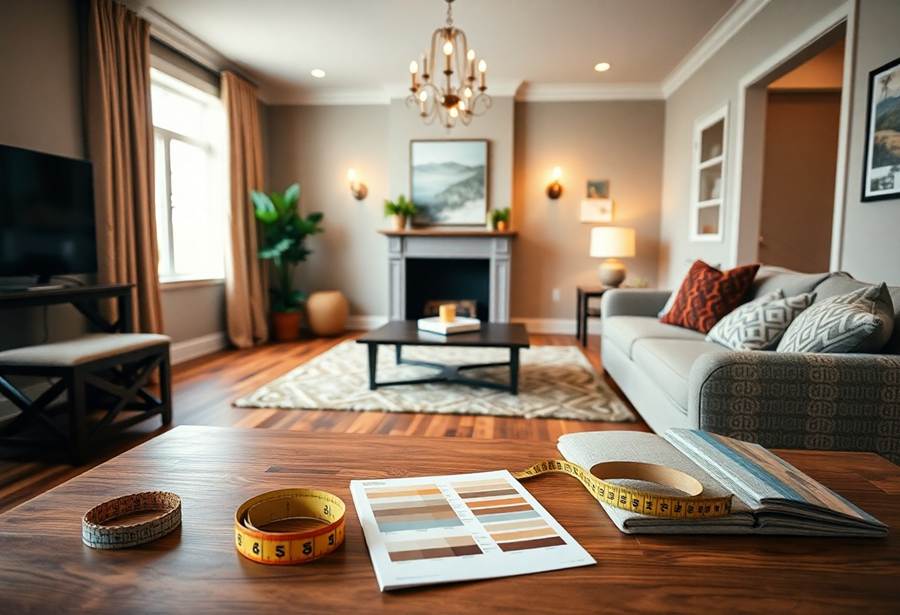
Now, understanding the pros and cons of various flooring options can help you make an informed choice for your home. Below is a breakdown of popular flooring types, highlighting their benefits and drawbacks.
Flooring Type | Pros and Cons --- | --- Hardwood | Classic appeal; long-lasting Carpet | Offers warmth; variety of styles Tiles | Water-resistant; easy maintenance Laminate | Affordable; easy to install Vinyl | Durable; versatile in style Bamboo | Eco-friendly; unique look Cork | Comfortable; sound-proofing Engineered Wood | Better moisture resistance Stone | Timeless; natural beauty Linoleum | Eco-friendly; low maintenance
Pros of Hardwood
Consistent with its classic appeal, hardwood offers a timeless look that enhances the value of your home. It adds warmth and elegance to any room and comes in various species and finishes, allowing you to customize your space. Additionally, hardwood is highly durable and can last for decades when properly maintained, making it a worthwhile investment.
Cons of Tiles
If you opt for tiles, be aware that while they provide numerous advantages, they also come with some significant drawbacks. They can be cold and uncomfortable underfoot, especially in cooler seasons, which might not be ideal for families with young children or pets.
A common issue with tiles is their susceptibility to cracking. Heavy objects or improper installation can lead to damage, which is often costly to repair. Furthermore, grout lines can become dirty over time, making maintenance a bit more tedious than other flooring options. Therefore, while tiles have their merits, weighing their drawbacks against your lifestyle is vital.
Steps for a Successful Flooring Selection
For a smooth flooring selection process, start by gathering information about the various flooring options available. Investigate different materials, styles, and finishes that will complement your home’s aesthetic while ensuring functionality for your lifestyle. Consider factors such as traffic levels, maintenance, and longevity, so your choice can meet both your current and future needs
Assess Your Needs
Selection begins by evaluating your family's unique lifestyle. Consider factors such as children, pets, and overall foot traffic in your home. A durable flooring option is crucial for high-activity areas, while quieter zones may allow for more design flexibility. Understanding your needs will streamline the decision-making process.
Budgeting and Planning
On your journey to new flooring, it's crucial to establish a clear budget. This helps in narrowing down options that fit your financial goals while preventing overspending. Factor not only the cost of materials but also installation and future maintenance expenses.
Another key aspect to consider during budgeting and planning is the potential return on investment (ROI) of your flooring choice. Quality materials may come with a higher upfront cost but can save you money in the long run through durability and less maintenance. Be sure to include a contingency budget for unexpected expenses, ensuring you're prepared for any surprises along the way.
Tips for Staying Current with Flooring Trends
Many homeowners find it challenging to keep their flooring choices trendy yet timeless. To stay updated, consider the following tips:
● Follow interior design blogs and magazines.
● Visit local flooring showrooms for the latest options.
● Engage with social media platforms showcasing home designs.
● Consult with professional designers for expert insights.
Thou should always keep an eye on what’s popular yet adaptable.
Researching Trends
With extensive research, you can identify which flooring styles resonate well with your home’s aesthetic and your family’s lifestyle. Look for trends that promote both functionality and beauty.
Avoiding Flash-in-the-Pan Styles
Even if a flooring style catches your eye, it’s imperative to assess its longevity. Trends can change rapidly, and opting for what's currently popular may lead to regrettable choices.
Staying informed about flooring trends doesn't mean blindly following them. Instead, aim for styles that blend contemporary flair with enduring appeal. Invest in materials that withstand the test of time, ensuring you won’t be quickly replacing your floors as new fashions emerge. Your flooring should reflect your home’s character while also accommodating your family's needs, striking a balance between aesthetic and practical durability.
Maintenance and Durability Considerations
Unlike other home features, flooring undergoes significant wear from daily activities. Choosing a material with the right durability for your lifestyle is crucial. Families with pets or young children should prioritize floors that resist scratches, stains, and damage. Additionally, you'll want to consider the maintenance requirements that each flooring option entails. Some materials may require regular sealing or special cleaning solutions, impacting your long-term satisfaction and convenience.
Long-Term Care
Now is the time to address how much effort you want to put into floor maintenance over the years. Certain floors, like hardwood or tile, may need professional cleaning and periodic refinishing to maintain their appearance. Assess your willingness to invest time and money into upkeep, as this will significantly influence your satisfaction with your choice.
Wear and Tear
Durability should be at the forefront of your flooring decisions. Every material reacts differently under stress, and high foot traffic or spills can quickly lead to visible damage. Not considering your family's lifestyle means you could choose a flooring type that struggles to withstand your everyday activities, leading to costly repairs or replacements sooner than anticipated.
Maintenance for floors prone to wear and tear is vital; options like luxury vinyl or laminate can be ideal for busy households. These materials offer excellent resistance to scratches and fading while being easy to clean. Evaluate the specific use cases in your home—heavy foot traffic from children and pets—and select floors designed to endure without compromising on style and ease of upkeep.
Avoid These BIG Mistakes When Choosing New Floors For Your Home
Following this guide will help you bypass common pitfalls when selecting new flooring for your home. Consider your family structure and lifestyle to choose options that suit your daily activities. Avoid trendy styles that may not endure over time, and prioritize durability to ensure your investment lasts. By taking these factors into account, you’ll create a space that not only looks good but also aligns with your needs and preferences.


